Acrylic markers and paint pens
15 popular paint markers from Posca, Liquitex, Ohuhu, Artistro, Montana and Molotow, from 0.7 mm detail pens to 15 mm wide tips.
As an Amazon Associate we earn from qualifying purchases. How we earn
Popular acrylic paint markers
-
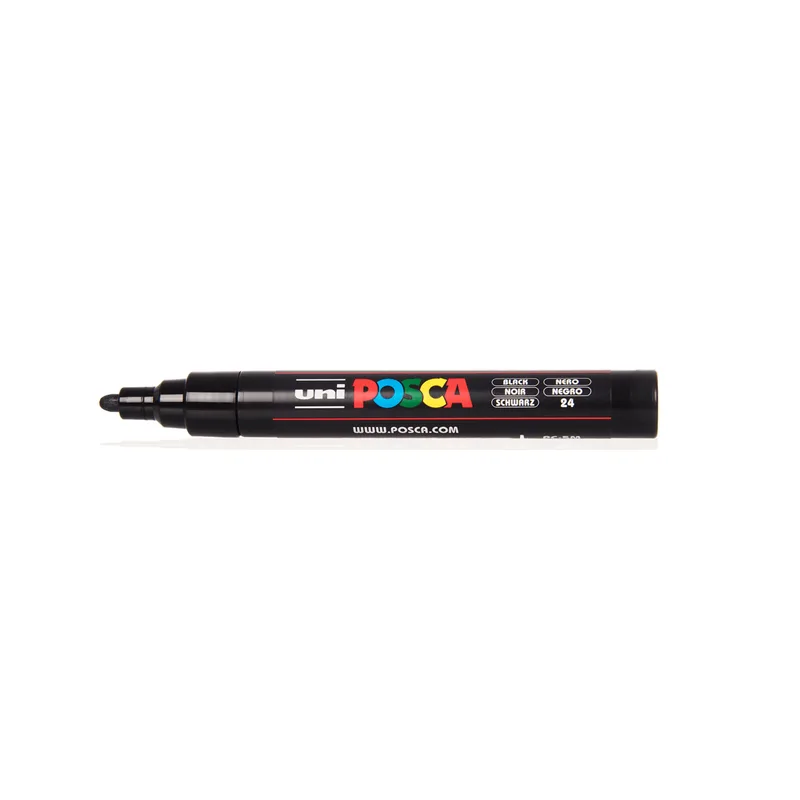
Image: Posca PC-5M Medium Tip, Black
Posca (Uni)
Best for: Adding a single color to a Posca set
View on Amazon (opens Amazon in a separate tab) -
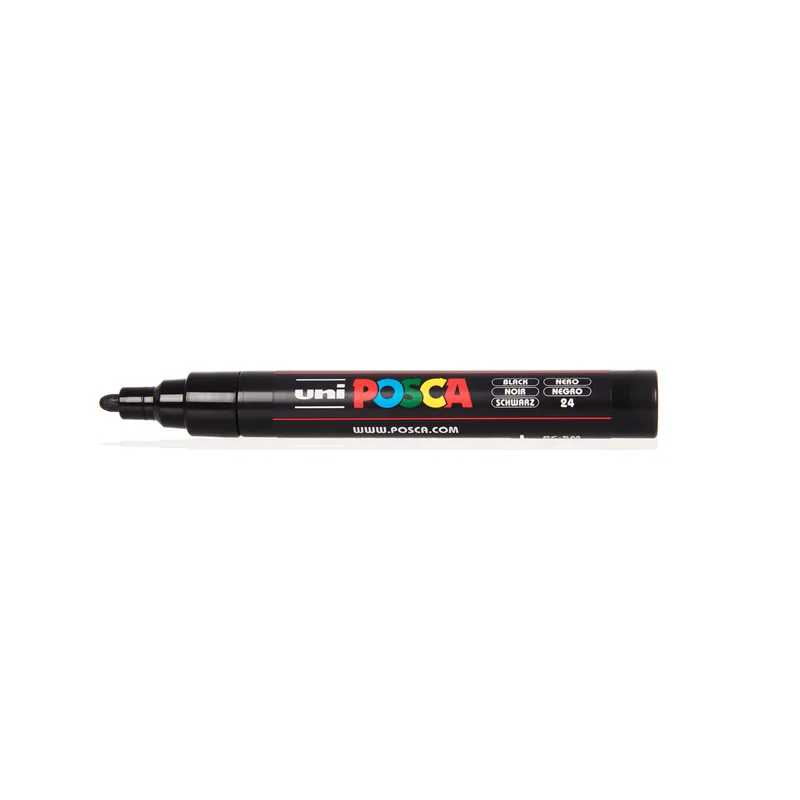
Image: Posca PC-5M Medium Tip, Single Marker
Posca (Uni)
Best for: A single marker for touch-ups
View on Amazon (opens Amazon in a separate tab) -
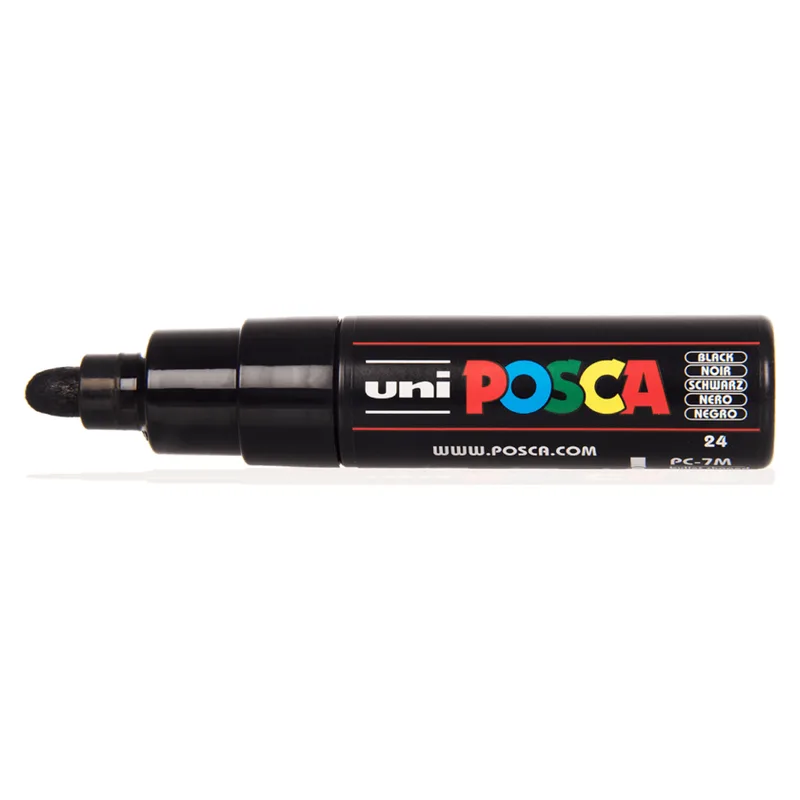
Image: Posca PC-7M Broad Tip, Black
Posca (Uni)
Best for: Big bold lines and filling larger areas
View on Amazon (opens Amazon in a separate tab) -

Illustration, not the exact product PC-5M Medium Tip, 8 Color Set
Posca (Uni)
Best for: An all-round starter set for rocks, wood and canvas
View on Amazon (opens Amazon in a separate tab) -
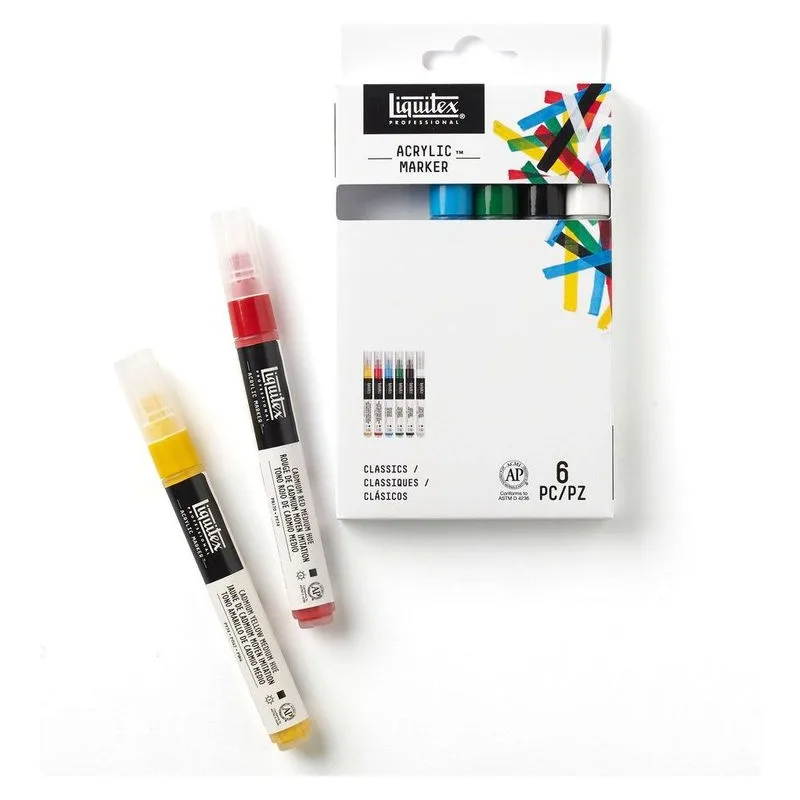
Image: Liquitex Acrylic Marker Set, 6 x 2 mm, Classics
Liquitex
Best for: A starter set of six classic colors in the current 2 mm fine tip
View on Amazon (opens Amazon in a separate tab) -
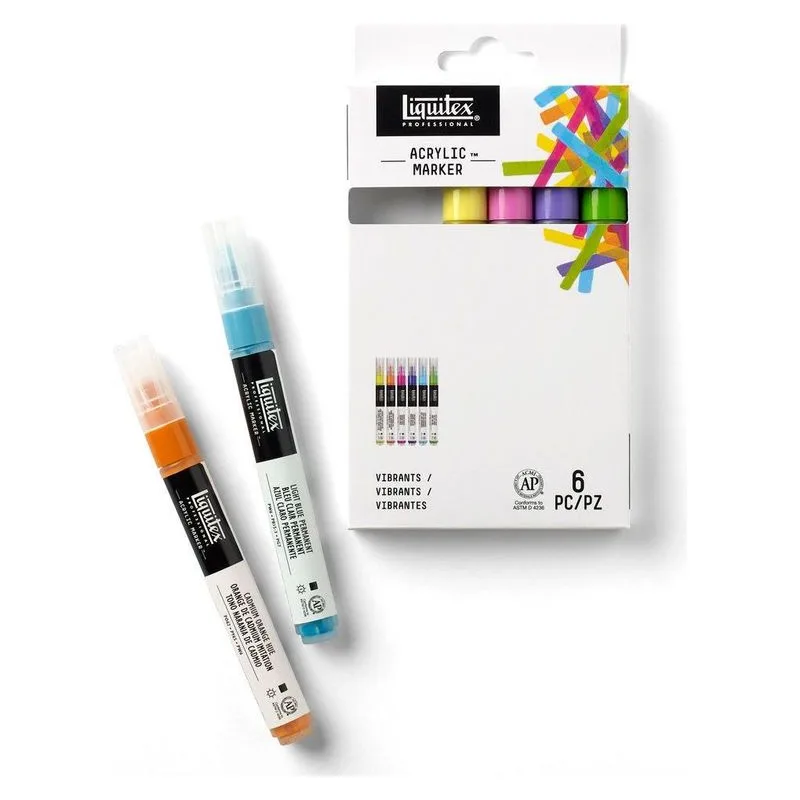
Image: Liquitex Acrylic Marker Set, 6 x 2 mm, Vibrants
Liquitex
Best for: Six bright 2 mm markers for color pops on canvas or wood
View on Amazon (opens Amazon in a separate tab) -
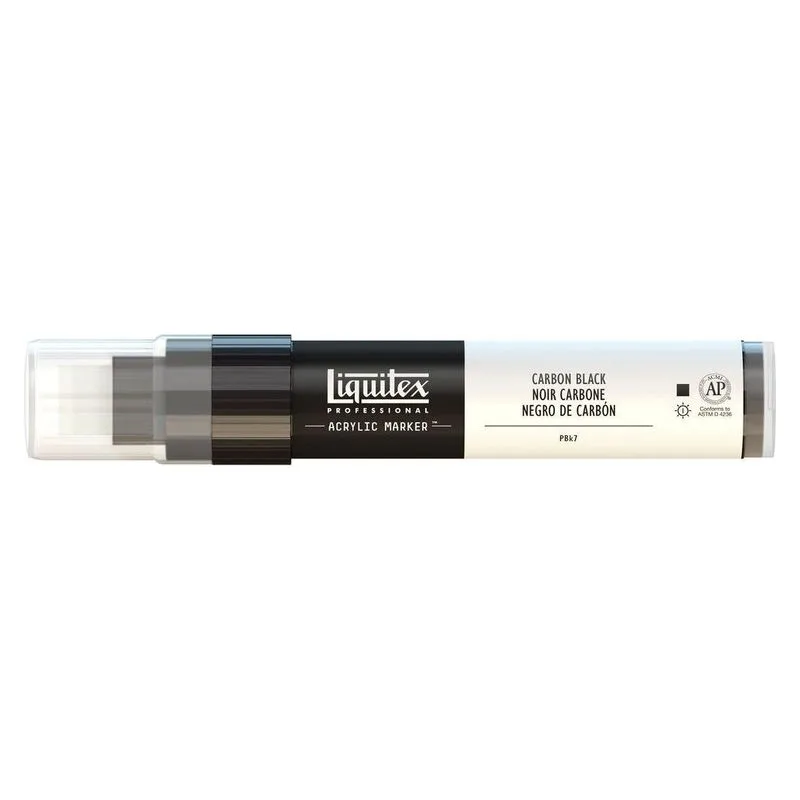
Image: Liquitex Acrylic Marker 15 mm Wide, Carbon Black
Liquitex
Best for: Wide 15 mm strokes and quick fills in deep black
View on Amazon (opens Amazon in a separate tab) -
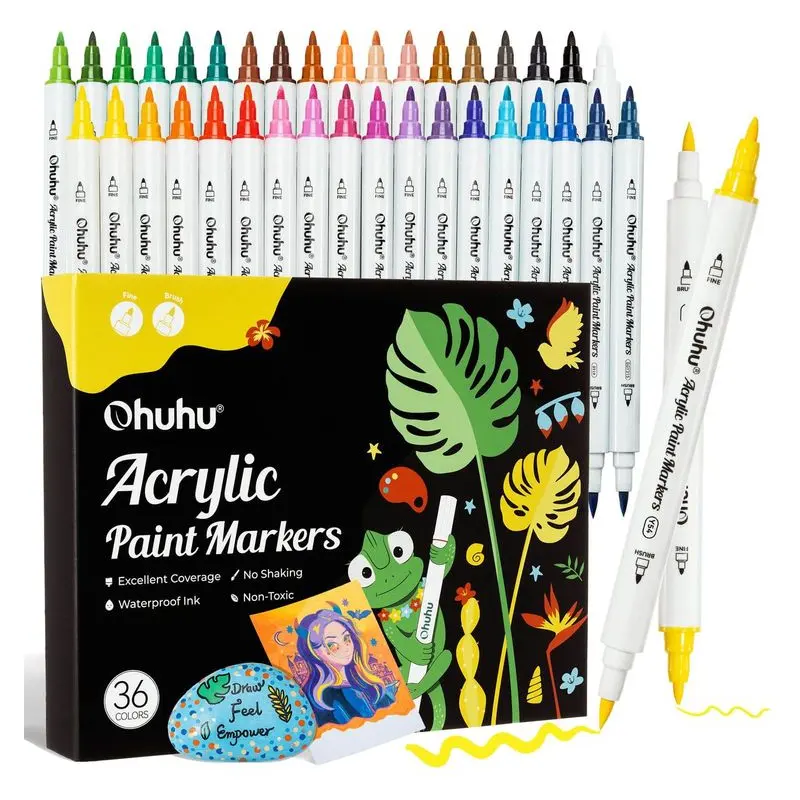
Image: Ohuhu Akaka 36 Colors, Brush and Fine
Ohuhu
Best for: A big dual-tip set for rocks, wood and crafts at a value price
View on Amazon (opens Amazon in a separate tab) -
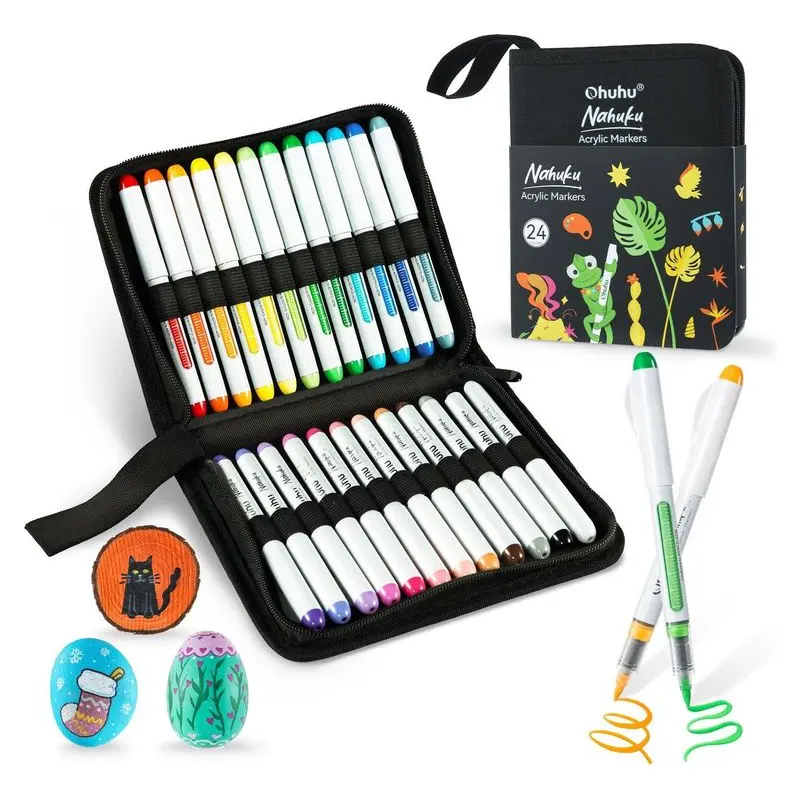
Image: Ohuhu Nahuku 24 Colors, Brush Tip
Ohuhu
Best for: Brush-tip lettering and rock painting
View on Amazon (opens Amazon in a separate tab) -
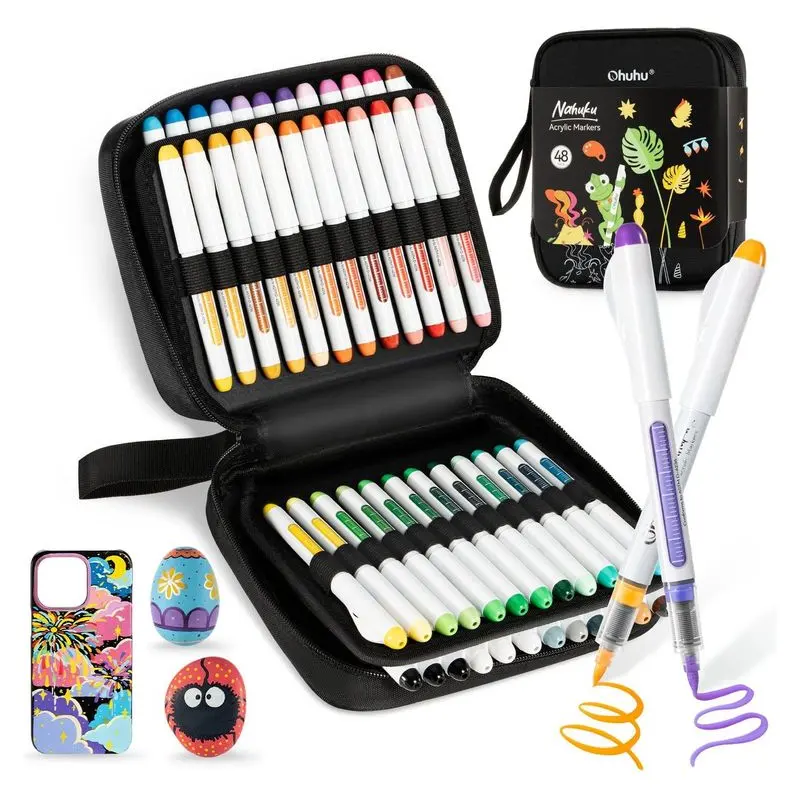
Image: Ohuhu Nahuku 48 Pack, Brush Tip
Ohuhu
Best for: A 48 pen brush-tip kit with spare black and white
View on Amazon (opens Amazon in a separate tab) -
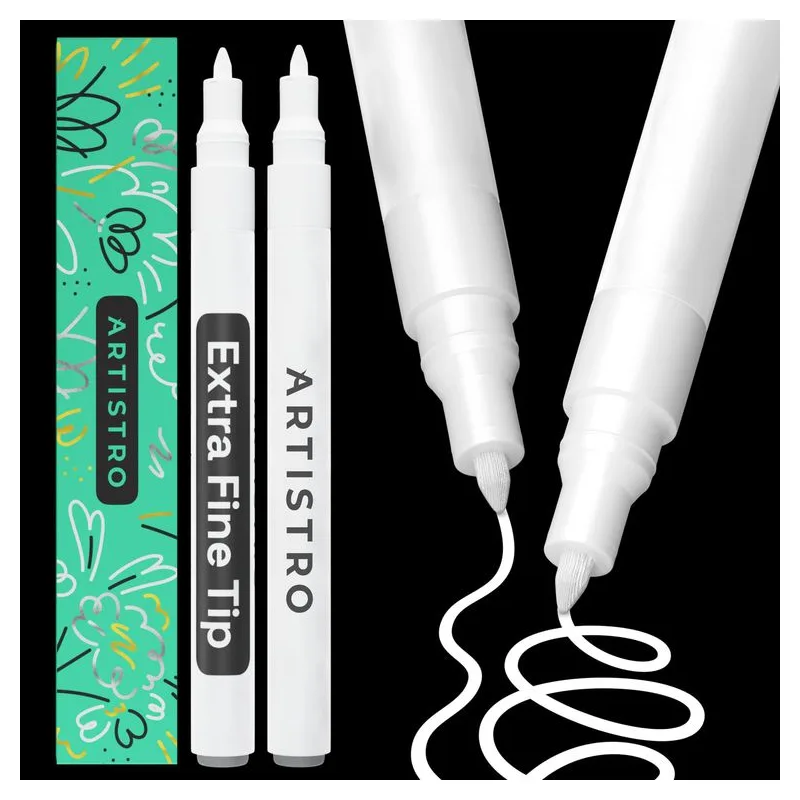
Image: Artistro White Extra Fine 0.7 mm, Set of 2
Artistro
Best for: Fine white detail on dark surfaces
View on Amazon (opens Amazon in a separate tab) -
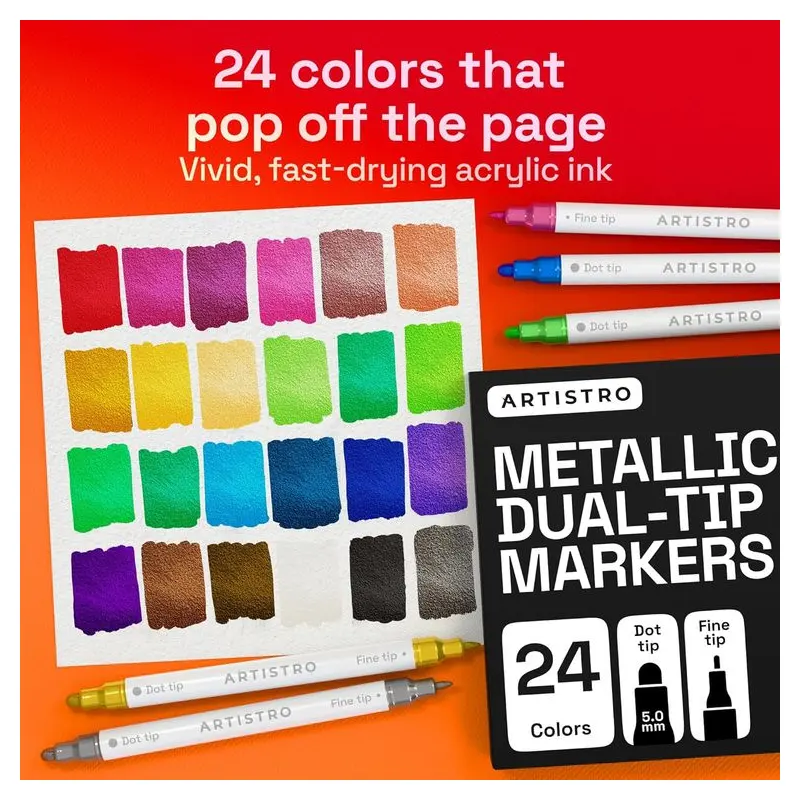
Image: Artistro 24 Metallic Dual Tip Paint Markers
Artistro
Best for: Metallic accents on dark surfaces
View on Amazon (opens Amazon in a separate tab) -

Illustration, not the exact product 42 Extra Fine Tip Paint Markers
Artistro
Best for: A budget kit for kids and beginners
View on Amazon (opens Amazon in a separate tab) -
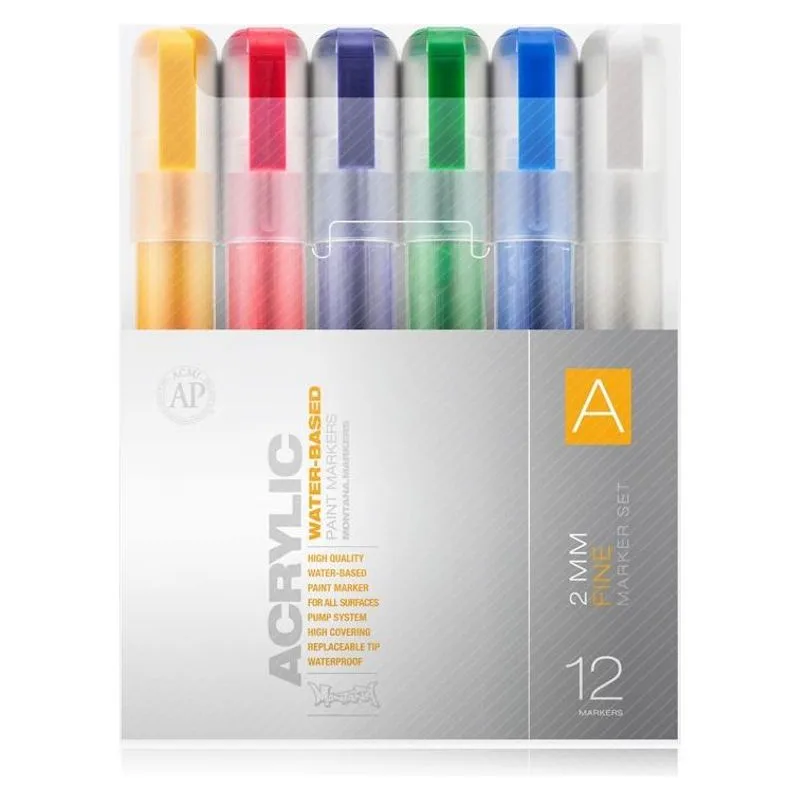
Image: Montana ACRYLIC Marker Set A, 12 Colors, 2 mm
Montana
Best for: Graffiti-grade 2 mm acrylic markers for sketching and detail
View on Amazon (opens Amazon in a separate tab) -
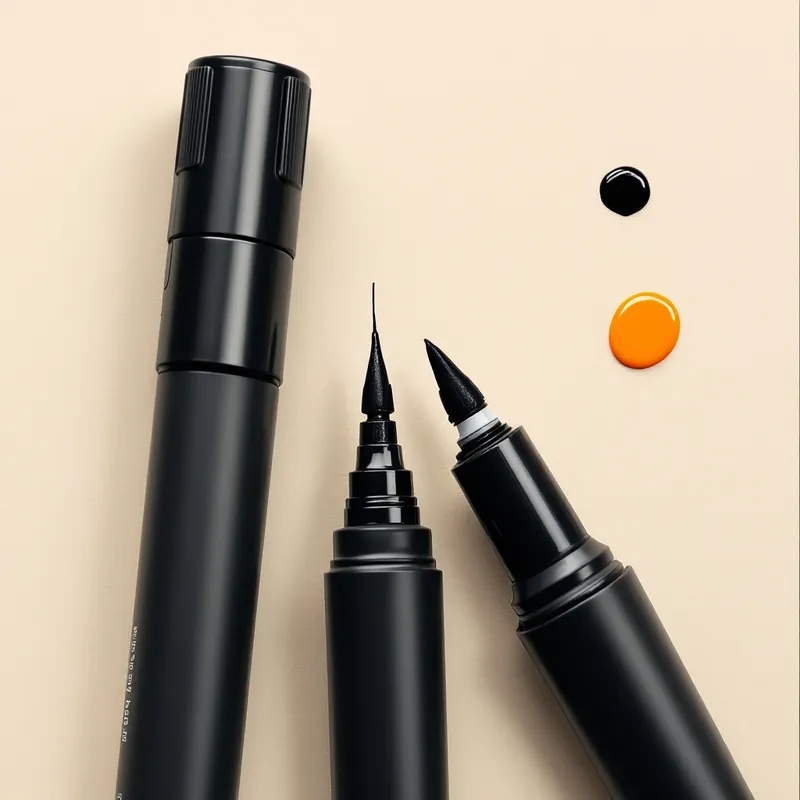
Illustration, not the exact product ONE4ALL 2 mm, Signal Black
Molotow
Best for: General lines and lettering
View on Amazon (opens Amazon in a separate tab)
Shop acrylic paint markers by type, surface and brand
Each category page compares the marker types that suit the job, explains the tip sizes and ink bases, and lists Amazon picks we checked by hand. Brand pages cover what each maker sells; guides and ideas cover the how-to.
Shop paint markers by type



Shop by surface




Brands








Guides and ideas
 Guide Best acrylic markers
 Ideas Rock painting ideas Ideas Cute rock painting Guide Painted rocks
 Guide Best paint for rock painting
 Guide Pumpkin painting
 Guide How to use fabric markers
 Guide How to seal marker art
 Guide Fix a pen that won’t flow
 Guide Acrylic vs oil-based
 Tool Marker picker
 Tool Tip size chart
Paint a pumpkin that outlasts a carved one
Skip the knife. Paint pens on an uncarved pumpkin give you crisp patterns and a pumpkin that keeps far longer. Base coats, the best tips for curves, and the sealer step.
Acrylic paint markers: the short version
Most people should start with a medium, water-based pigment marker with a pump valve, the Posca PC-5M kind. Switch to an oil-based paint marker for glass, metal and slick plastic, and seal anything that lives outdoors. Three rules cover most of what people get wrong with paint markers.
Start with water-based pigment
Pump-action markers such as Posca and Pilot Pintor handle rock, wood, canvas, paper and pumpkins. A medium tip around 1.8 to 2.5 mm is the one to buy first; add an extra fine 0.7 mm for outlines. Best acrylic markers and water-based paint markers.
Match the paint to the surface
Glass, metal and slick plastic hold oil-based paint markers better. Anything headed for the dishwasher needs a bake-on glass and porcelain pen used exactly as its maker says. Acrylic vs oil-based paint markers.
Prime, layer, then seal
Shake with the cap on, press the tip on scrap until paint flows, let each layer dry before the next, and spray-seal anything that lives outside or gets handled. How to seal acrylic marker art.
Which acrylic marker for which surface
The surface decides the paint, the job decides the tip. Specs come from maker pages; finishing advice is general guidance, so test a hidden spot first.
Surface by marker type and tip size
| Surface | Best marker type | Tip size | Prep | Finish | Guide |
|---|---|---|---|---|---|
| Rocks and pebbles | Water-based pigment, pump-action | Fine 0.7 to 1.3 mm for detail, medium 1.8 to 2.5 mm for fills | Wash, dry fully, base coat if dark | Spray varnish, more coats for outdoors | Rocks and pebbles guide |
| Canvas | Pump-action acrylic or pigment marker | Broad 8 to 15 mm for blocks, medium for edges | Primed canvas; fine tips wear on rough weave | Spray varnish once fully dry | Canvas guide |
| Paper and journals | Water-based pigment, fine tip | Extra fine 0.7 mm to fine 1.3 mm | Heavier mixed media paper resists buckling | Not needed indoors | Paper and journals guide |
| Wood | Water-based pigment, pump-action | Medium 1.8 to 2.5 mm, broad for signs | Sand smooth, wipe off dust | Water-based spray varnish | Wood guide |
| Fabric and canvas shoes | Acrylic marker that the maker says suits textiles, or a fabric marker | Medium 1.8 to 2.5 mm | Prewash, no softener, card inside | Heat-set with an iron as the maker directs | Fabric and canvas shoes guide |
| Pumpkins | Water-based pigment, pump-action | Medium for patterns, broad 8 mm for base colors | Wash, dry, several thin coats on orange | Clear spray sealer | Pumpkins guide |
| Glass, mugs and ceramics | Bake-on glass and porcelain pen if it will be washed; oil-based for decor | Fine to medium | Degrease with rubbing alcohol | Bake only per the pen maker; never on food-contact areas | Glass, mugs and ceramics guide |
| Metal and plastic | Oil-based paint marker | Medium | Clean, degrease, test a hidden spot | Clear coat if handled often | Metal and plastic guide |
| Walls and murals | Refillable broad acrylic marker | 15 mm and up, 2 mm for outlines | Clean, dry, primed wall; ask permission | Clear coat outdoors | Walls and murals guide |
Which acrylic marker should I buy?
Three taps: surface, line, budget. You get a marker type, a tip size and two pens to look at, with reasons drawn from maker specs and independent reviews.
Our suggestion
Acrylic marker brands at a glance
Tip ranges and refill details come from each maker. Review notes summarize Sarah Renae Clark’s 2026 hands-on comparison, the most complete independent review we found. We have not tested these markers ourselves.
Specs from maker pages; review notes from Sarah Renae Clark’s 2026 comparison
| Brand | Mechanism | Tip range | Refillable | Price tier | What reviews found |
|---|---|---|---|---|---|
| Posca | Pump-action valve | 0.7 to 15 mm, plus brush tips | No | Mid | Highest overall score in Sarah Renae Clark’s pump-action review; spilled a few times. Posca on Amazon |
| Pilot Pintor | Pump-action valve | Several sizes, including extra fine | Not stated | Mid | A close second to Posca in many of the same review’s trials; very opaque, smooth flow. Pilot Pintor on Amazon |
| Molotow ONE4ALL | Pump-action valve | About 1 to 15 mm | Yes | Premium | Above average on every trial in the review; can lift dried paint when layered over other media. Molotow ONE4ALL on Amazon |
| Montana Acrylic | Pump-action valve | 0.7, 2, 15, 30 and 50 mm | Yes | Mid | No published hands-on verdict found; maker says weatherproof when dry. Montana Acrylic on Amazon |
| Liquitex Acrylic Marker | Pump-action valve | 2 and 15 mm | Replaceable nibs | Mid | Among the lowest scores in the same review: watery, unmixed, streaky. Liquitex Acrylic Marker on Amazon |
| Artistro | Pump-action and cotton core | 0.7, 3 and 15 mm, plus dual brush | No | Budget | White extra fine is a standout; other colors and the brush set disappointed. Artistro on Amazon |
| Enmy | Direct ink and cotton core | Fine and brush styles | No | Budget | Ink Control set was the reviewer’s favorite of all; soaked into rocks. Enmy on Amazon |
| Tooli-Art Extra Fine | Pump-action valve | Extra fine | No | Budget | A stand-out fine tip and one of the most opaque markers in the review. Tooli-Art Extra Fine on Amazon |
Deciding between the two big names? Read Posca vs Molotow. Shopping a budget set? See Artistro paint pens and Enmy acrylic markers.
Acrylic marker tip sizes, side by side
Stroke widths from 0.7 mm pin tips to 15 mm blocks, scaled up so you can compare them. The full chart draws them at actual size and adds brush tips.
Open the acrylic marker tip size chart or shop fine tip paint markers.
Questions people ask
What markers can you use on acrylic?
On dried acrylic paint, any water-based pigment paint marker such as Posca works well for details and lettering, because it bonds to the porous paint layer. On clear acrylic sheet (plexiglass), which is slick, an oil-based paint marker grips better; water-based paint can wipe off a smooth plastic surface until it is sealed.
What is the best marker to write on acrylic?
For writing on clear acrylic sheet or signs, an oil-based paint marker such as Sharpie oil-based or Uni PX-20 gives the most durable line. For writing on an acrylic painting, a fine water-based marker such as Posca PC-1M or PC-3M gives crisp letters that layer cleanly.
Do acrylic markers work the same as acrylic paint?
Not quite. They carry a thinner, more fluid paint so it can flow through a nib, which makes them great for lines, lettering and small fills but slower for big areas. Coverage, blending and texture are easier with brushed acrylic paint; many artists use both, paint for the base and markers for detail.
Are acrylic markers safe for kids?
Look for the ACMI AP seal on the pack. A line that only says it conforms to ASTM D-4236 means it was reviewed by a toxicologist and labeled to match, which is not the same thing as non-toxic. Small caps are a choking hazard for young children.
Sources: Posca FAQ, ACMI, Sarah Renae Clark.